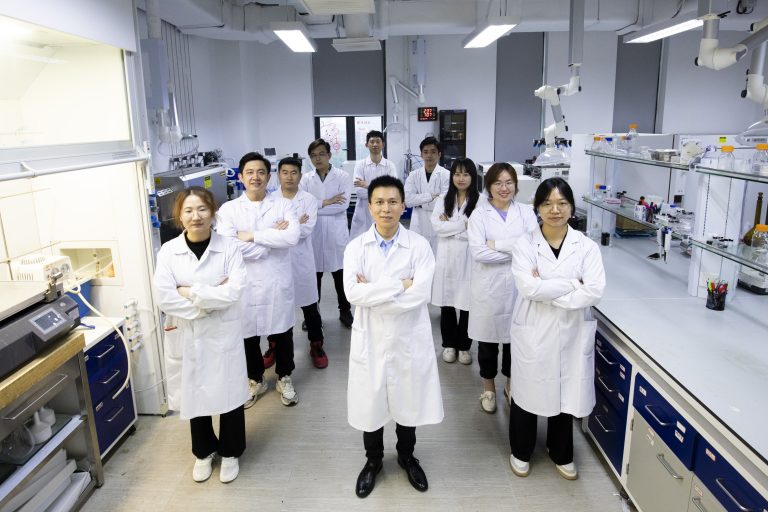
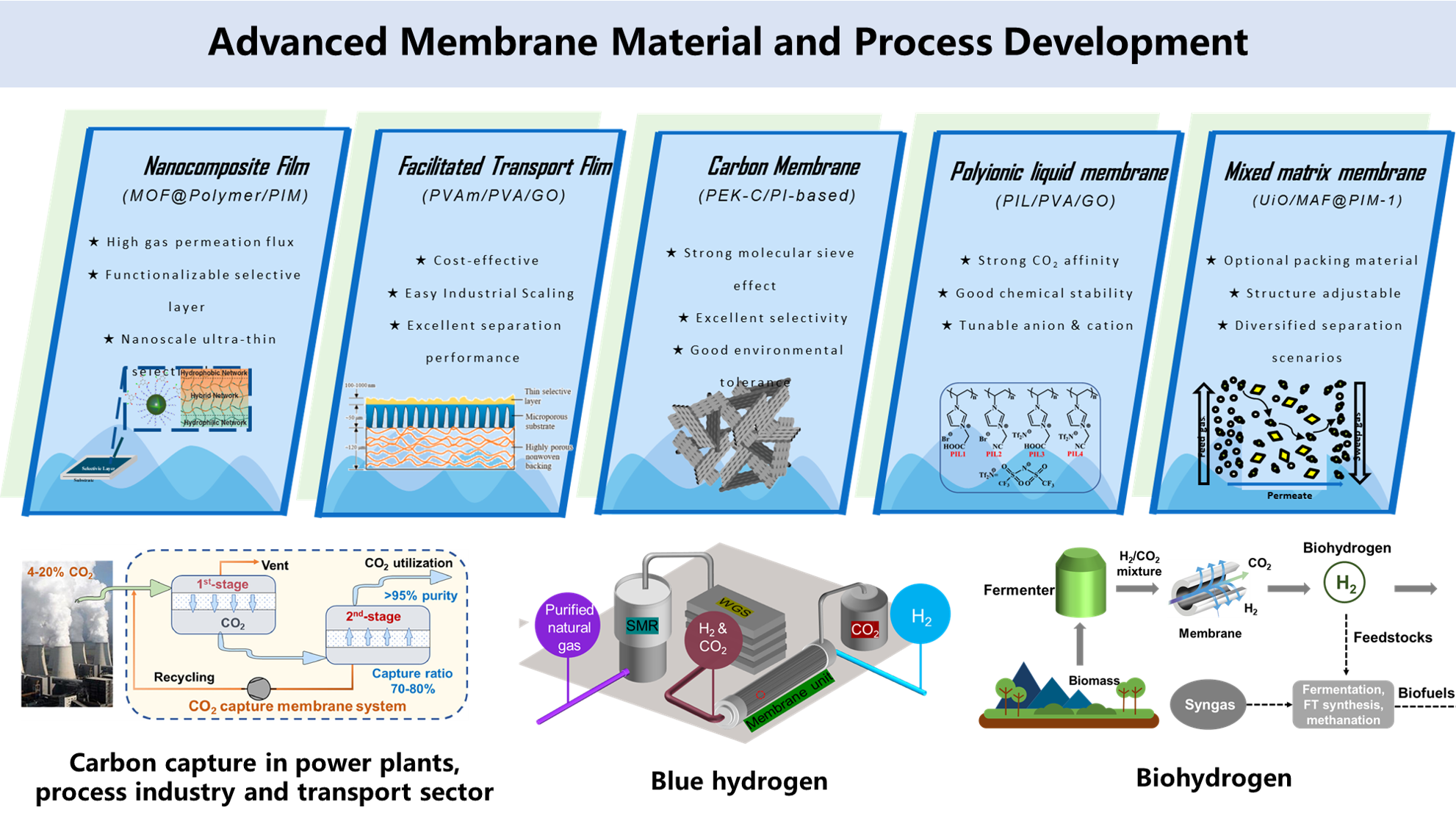
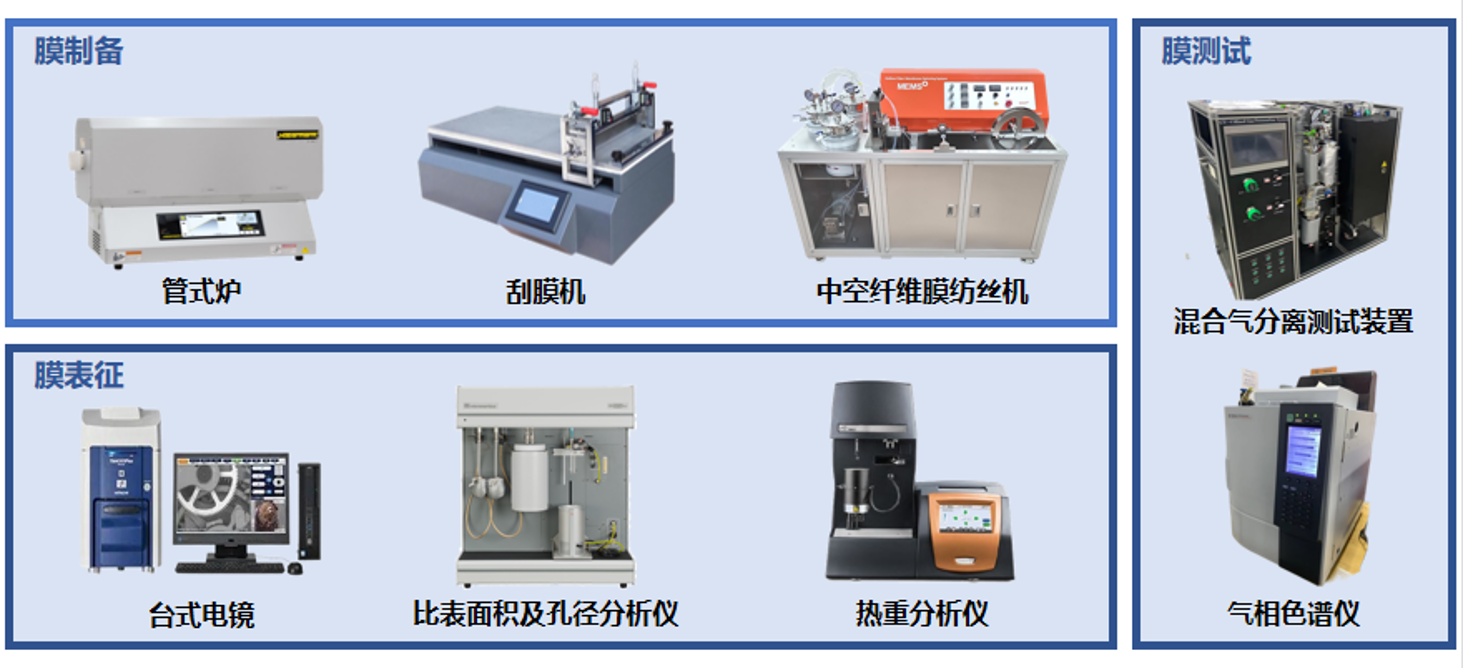
Our research interests span both fundamental and applied aspects of membrane science and separation technology. On the fundamental side, our group focuses on the development of advanced membrane materials, including polymeric, facilitated transport, mixed matrix, and carbon membranes, in both flat-sheet and hollow fiber configurations, and works extensively in molecular simulation and quantitative structure–property relationship (QSPR) modeling, as well as thermodynamic analysis using methods such as COSMO-RS.
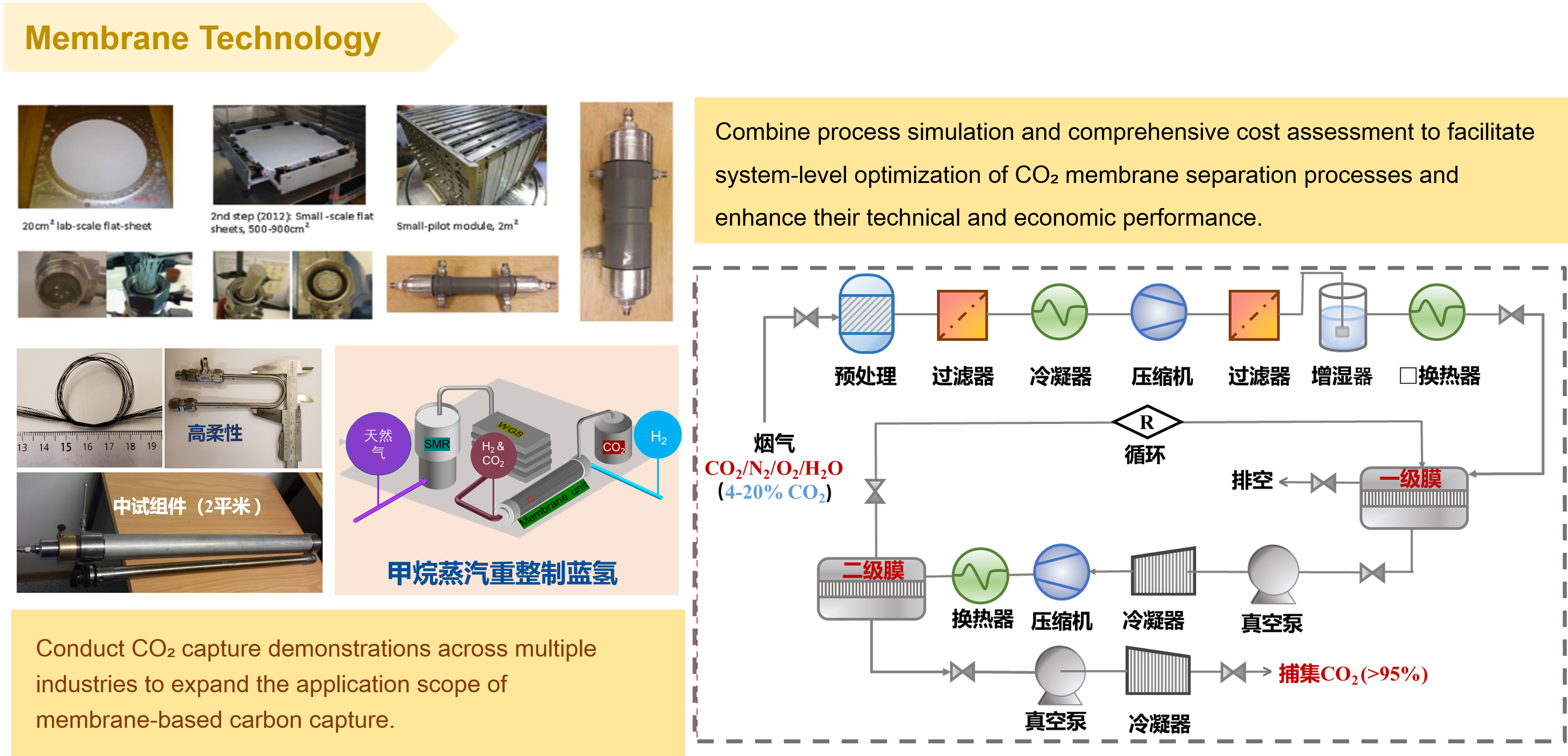
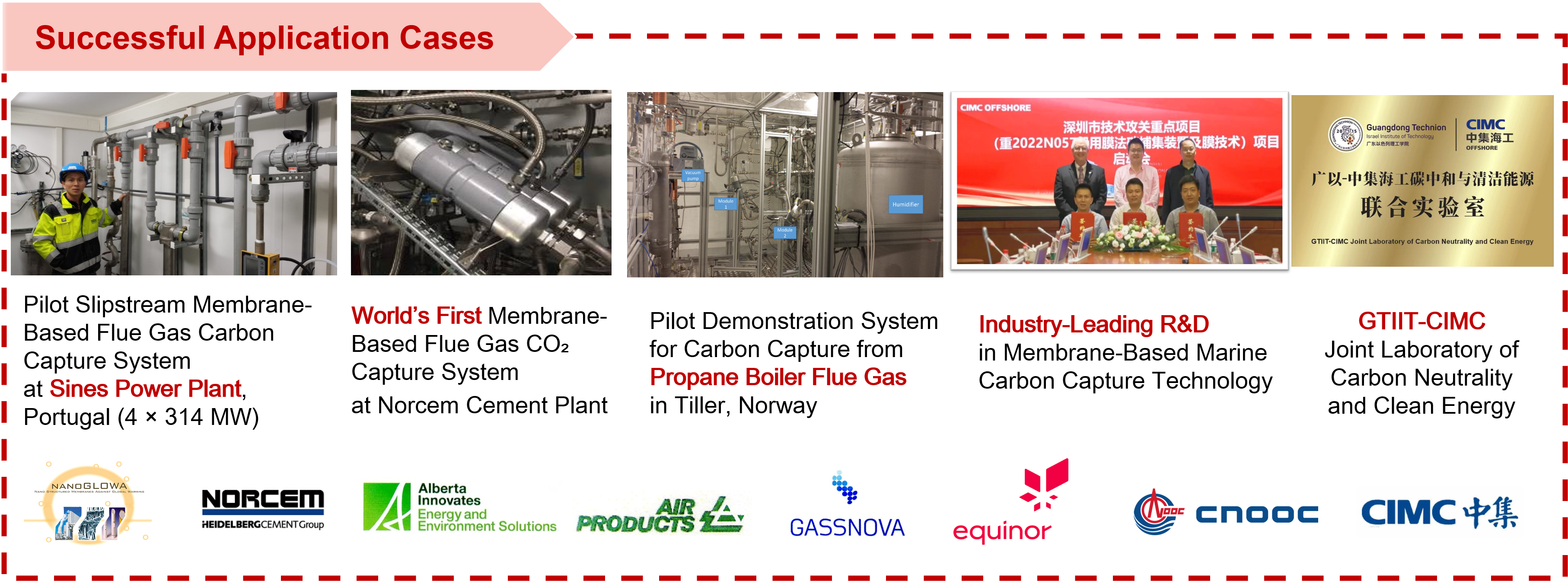
On the applied side, our work targets membrane-based separation processes for gas and liquid streams. Specific applications include CO2 capture, biogas upgrading, natural gas sweetening, olefin/paraffin separation, hydrogen purification, forward osmosis, ultrafiltration, nanofiltration, and fuel cells/electrolysis. We integrate experimental studies with multi-scale simulation (molecular simulation, mathematical modelling, process simulation) and techno-economic feasibility analysis to advance membrane technologies for industrial and sustainable energy applications, including biofuel (e.g., biohydrogen) production.