R305, North Campus, Guangdong Technion-Israel Institute of Technology, Shantou, Guangdong, China.
Menu
Menu
Research at the Sustainable Energy Technologies Lab is aligned with either of the two key directions: (i) CO2 Mitigation and (ii) CO2 Utilization. Both research directions involve experimental/theoretical/numerical approaches.
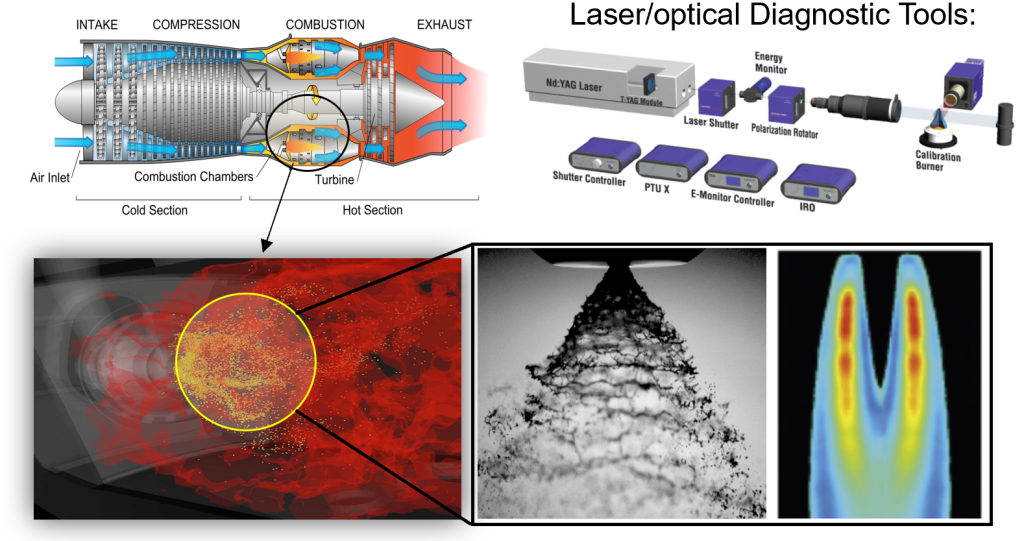
I. CO2 Mitigation: Under this theme, alternative jet fuels are actively explored and investigated to understand their atomization, droplet evaporation and combustion behaviour under controlled laboratory conditions. Specifically,
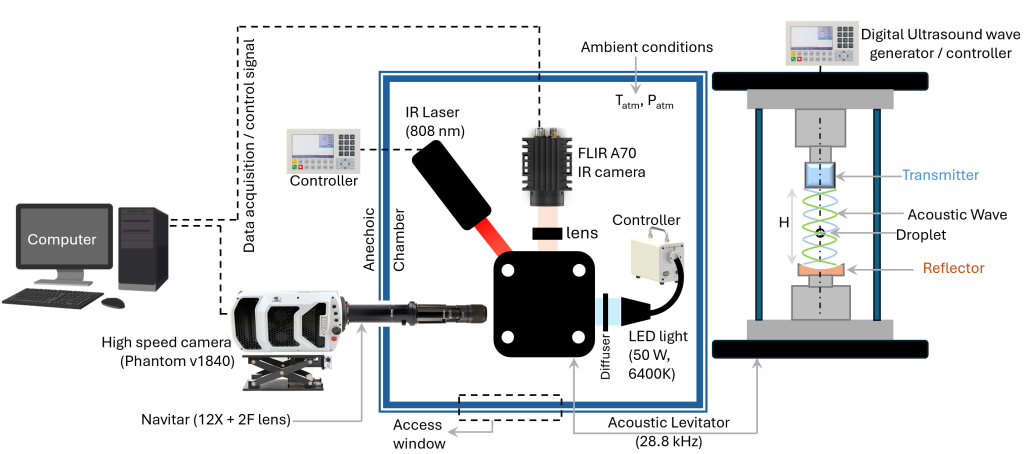
Droplet Dynamics under acoustic levitation
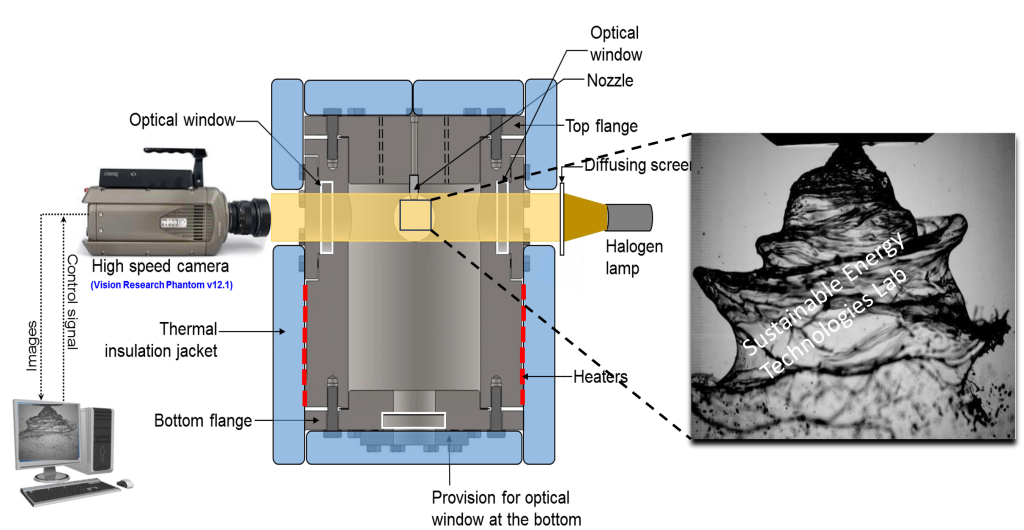
Atomization characteristics are investigated in a constant-volume chamber under pre-defined conditions,
Droplet evaporation characteristics are investigated under acoustic levitation,
Fundamental combustion characteristics are explored using a flat-flame burner configuration,
Influence of nanoscaleadditives on the above fuel performances.
II. CO2 Utilization: Under this theme, sustainable energy harvesting methods are actively explored. Specifically,
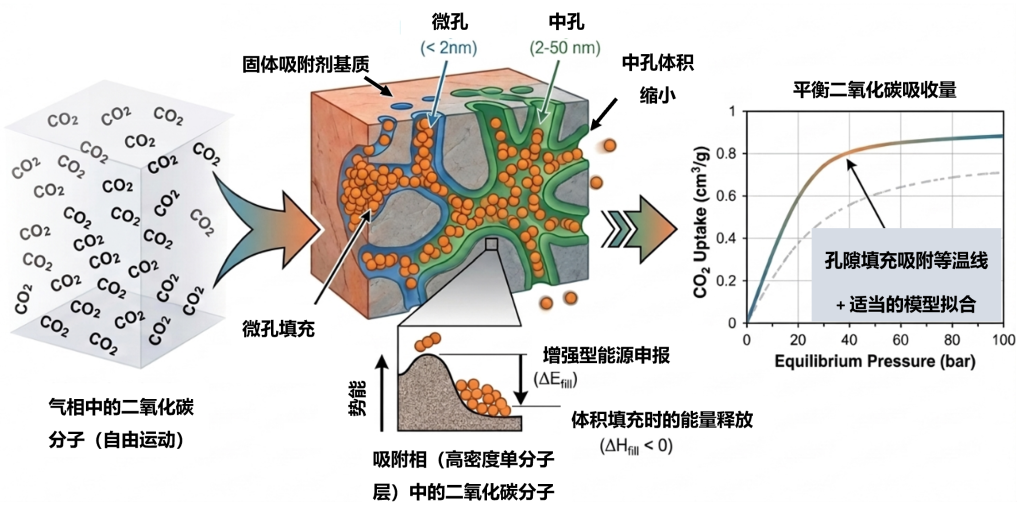
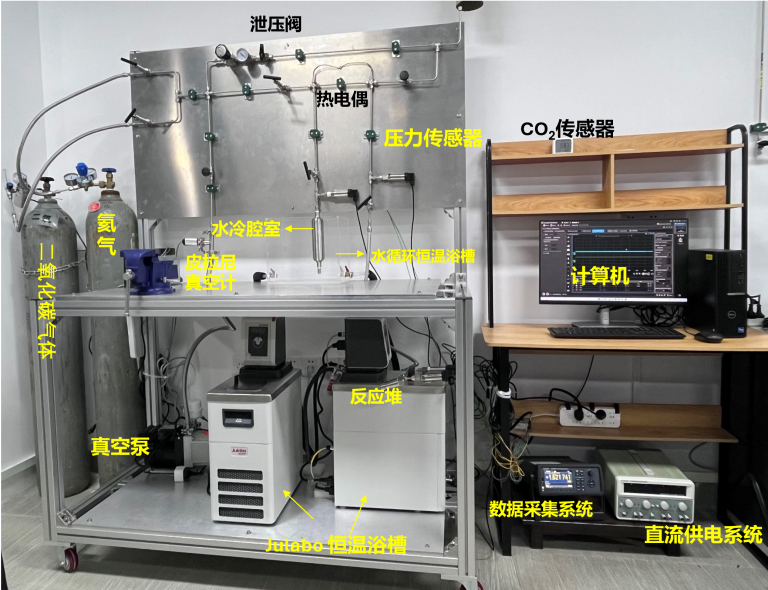
Adsorption phenomena - isotherm measurements
Adsorption characteristics of gases (CO2, etc.) onto adsorbent materials are investigated under pre-defined thermodynamic conditions. This involves adsorbent preparation and characterization, measurements of adsorption isotherms and adsorption kinetics.
Measured adsorption characteristics are used to design integrated systems for applications such as desalination, energy storage, CO2 capture, refrigeration, and heat pumps.
Techno-economic analysis of zeotropic fluids application in sustainable energy harvesting devices.
Adsorption isotherm and kinetics experimental facility